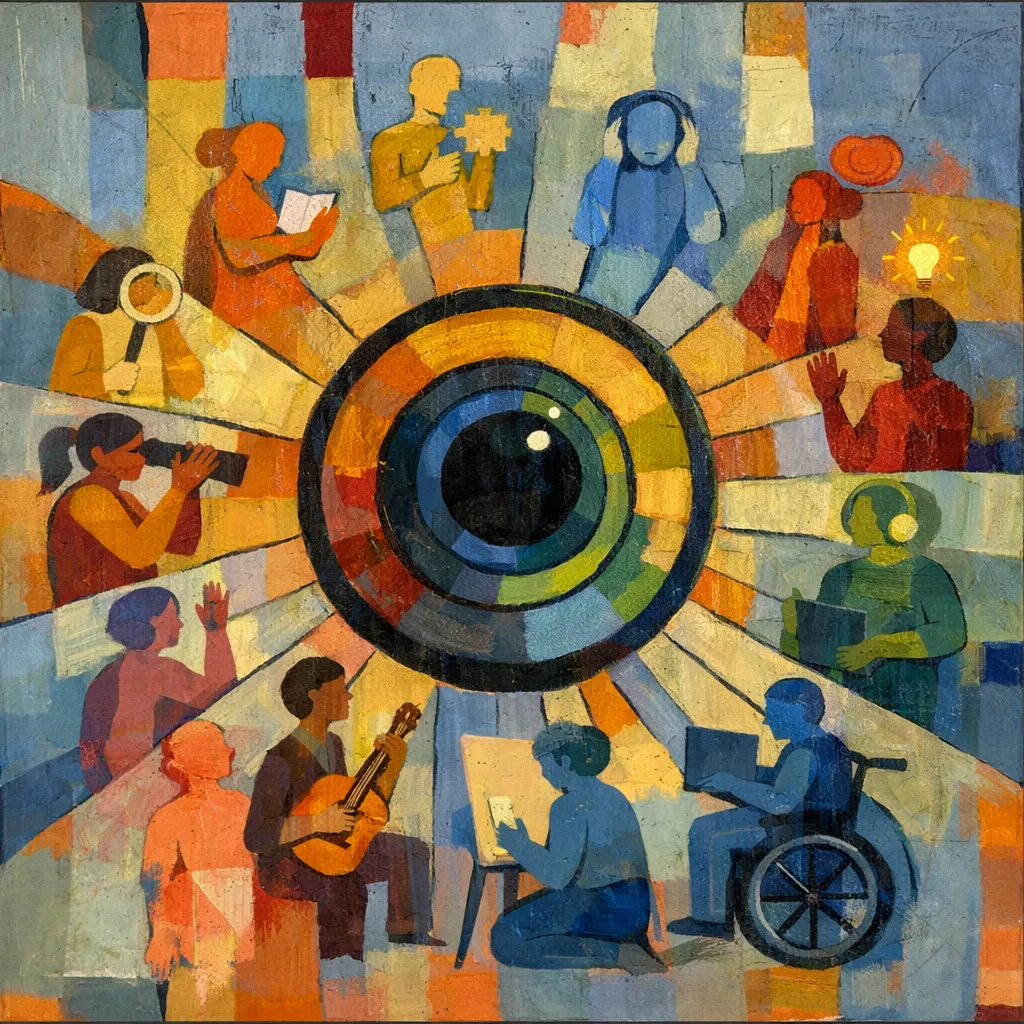
“For many neurodiverse families, trauma isn't marked by singular events but is a continuous undercurrent affecting all members.”
Introduction:
In the complex world of neurodiverse families, where the spectrum of neurology ranges from autism to other forms of neurodivergence, a unique set of challenges arises, particularly in the realm of communication and emotional connection. These families often experience a subtle, pervasive trauma that influences their daily interactions and relationships. This blog post explores the nuances of this trauma, the impact of neurodiversity on communication, and strategies for healing and understanding within neurodiverse family units.

The Invisible Trauma in Neurodiverse Families: For many neurodiverse families, trauma isn't marked by singular events but is a continuous undercurrent affecting all members. This low-level, persistent trauma can stem from misunderstandings, sensory overloads, or the sheer exhaustion of trying to navigate a world not designed for diverse neurological needs. Recognizing this ongoing trauma is the first step towards addressing and healing it.
Communication Complications: Neurodiversity introduces a rich variety of thought and experience but also brings its share of communication challenges. Each family member's unique neurology affects how they perceive, process, and interact with the world and each other. Understanding these differences is crucial. It's about recognizing that what seems obvious or intuitive to one person might be confusing or overwhelming to another.
Beyond Quick Fixes: In a society that often seeks quick solutions, it's important to understand that navigating neurodiverse relationships doesn't come with a one-size-fits-all solution. Healing and progress lie in the deeper understanding of each individual's needs and experiences. It's not about changing the inherent nature of an individual's neurology but adapting the environment and communication strategies to meet everyone's needs.
Personal Healing and Growth: Healing within a neurodiverse family often starts with the individual. Engaging in self-reflection and understanding one's own neurology can provide profound insights. Professionals who understand the nuances of autism and neurodiversity can be invaluable in this journey, providing guidance and strategies tailored to each person's unique situation.
Dynamic Relationships and a Positive Future: Relationships in neurodiverse families are not static; they are dynamic and capable of growth and change. Acknowledging the trauma and challenges is a critical step, but it's equally important to recognize the potential for positive evolution.
Conclusion: Neurodiverse families navigate a unique and often challenging landscape. Recognizing the persistent trauma, understanding individual neurologies, and committing to personal growth can transform your life. Embracing these concepts is not just about overcoming obstacles but about accepting the diversity of human experience and finding solutions that work for you.
Keywords: Neurodiverse families, communication challenges, understanding neurology, personal healing, autism spectrum, persistent trauma, emotional support, family dynamics, neurodiversity.

Anne MacMillan, MLA
Anne MacMillan, MLA is the founder of R.E.A.L. Neurodiverse 10-Step Family Systems Approach, designed to support Level 1 autistic adults and their neurodivergent and neurotypical family members as they come to understand what makes them different, work to improve their relationships, and take action to improve their lives. MacMillan has over 50 years of personal life experience with neurodiverse family systems, over 20 years of personal life experience in a neurodiverse intimate life partnership, and has been professionally supporting autistics and non-autistic adults in neurodiverse close family relationships since 2017. She has a master's in psychology from Harvard University where she did some of the world's first quantitative research on autism and intimate life partnerships. She self-identifies as a high body empathetic, or a non-autistic neurodivergent with a high level of body empathy.
© 2024 R.E.A.L. Neurodiverse
All Rights Reserved
anne@REALneurodiverse.com
Text or Call: (617) 996-7239 (United States)