
Where YOU get REAL Support and REAL Solutions
Defining Success Together
Autism and marriage aren't easy. We're here because we really get it.
REAL Neurodiverse Marriage
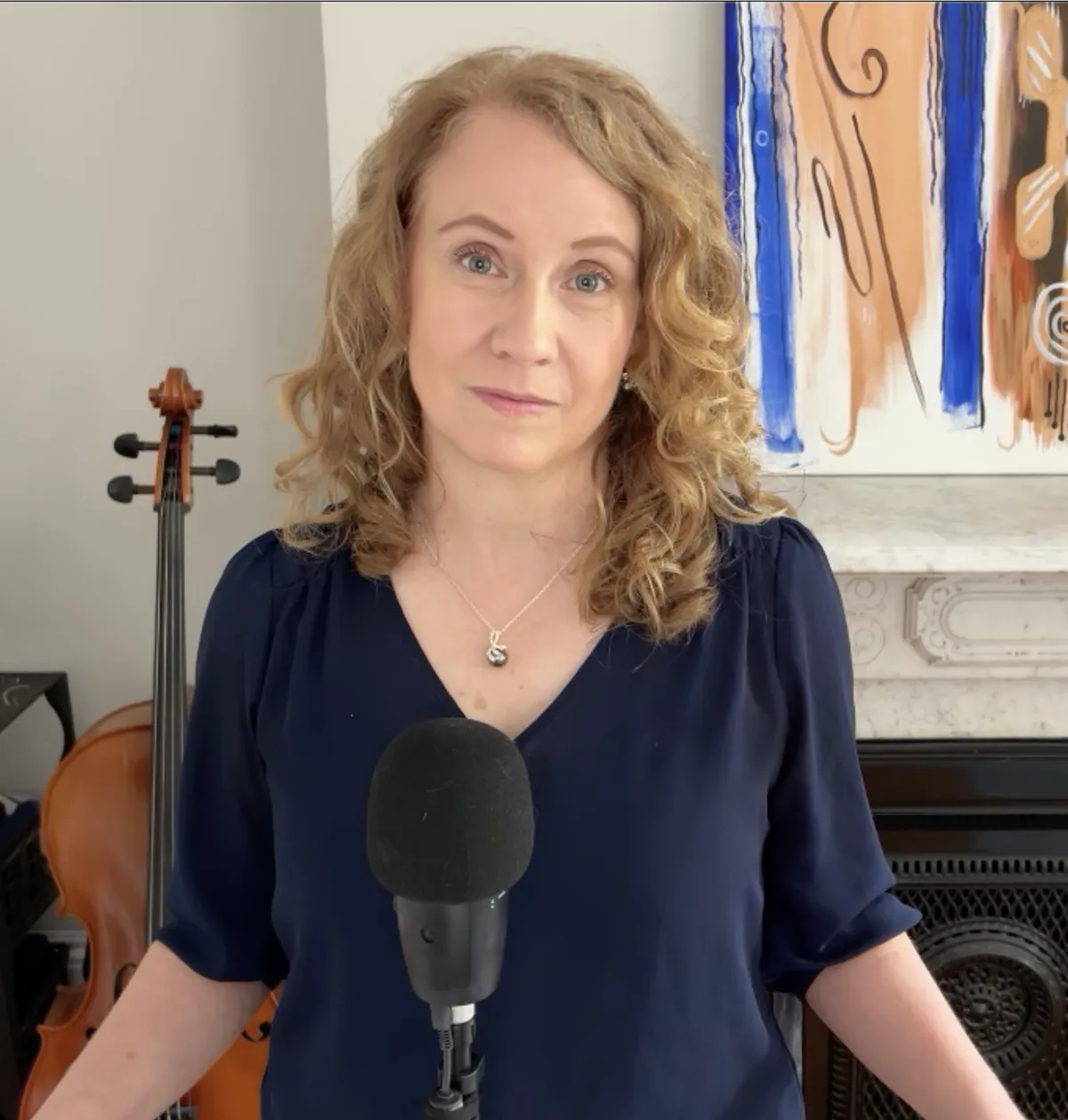
About Anne MacMillan
I built my original Neurodiverse Family Systems Theory on my education, personal life experience, and the professional experience I gained in the private neurodiverse services practice I founded in 2017.
Today, my services extend to support other professionals who have come to the new realization that neurodiversity is at the heart of many of the relationship challenges their adult clients face. Professionals can earn my Neurodiverse Family Systems Educator Credential (NFS-E) then use my practical 10-Step educational system, including quantitative assessments and support resources, to help their clients comprehend their relationship challenges and find the happiness and peace they deserve.
I have a research-based master's in psychology from Harvard University and studied developmental psychology as an undergrad. I received the Director's Thesis Award at Harvard for my original research on Level 1 autism and intimate life partnerships -- some of the first quantitative research on the subject in the world.
Altogether, I have over 50 years of personal life experience with neurodiverse family systems, over 20 years of personal life experience with neurodiverse intimate life partnerships, and 8 years of professional experience working with individuals managing the challenges of neurodiverse family systems.
I self-identify as a high body empathetic neurodivergent who just might also be a bit attention neurodivergent (ADHD). I am not autistic.

Anne MacMillan, MLA
Founder of the 10-Step Neurodiverse Family Systems Approach, Speaker, Researcher, Consultant, Coach, Educator and Expert Witness
Online Course Available Now
Married to Autism? Your Journey to Connection and Ease
An Online Course for Neurotypicals
and Non-Autistic Neurodivergents
Only $34.99 USD
Get the benefits of my education and life experience for less than the cost of one restaurant meal for two!
Neurodiverse relationships can be very confusing. Comprehending YOURSELF and the ways autism affects YOU can make all the difference. Take this first step towards
making life changes that will bring YOU the
Connection and Ease that YOU deserve.
Vicki R.

Found her insights spot on. I gifted this course to 2 others before I even finished it. Refreshing thoughts. Focus is on you, the NT of the relationship with great ways to look at things from both sides. Been married to Autism for 45 years and found this course something I will review on a regular basis to support myself.

Katie G.
This is a MUST for anyone who has a partner with autism. No matter where you are in your relationship, even if your relationship has ended, this is for YOU! Anne’s knowledge, compassion, guidance is unparalleled and unprecedented. Thank you Anne.
My Services
I offer consulting and coaching services to support you in achieving what you want from your life and for your partner, family and children. I work with either the autistic or the neurotypical partner.

Anne MacMillan, MLA
Founder of the R.E.A.L. 10-Step Neurodiverse Family Systems Approach, Speaker, Researcher, Educator, Consultant, Coach and Expert Witness
My Newest Blog Posts
Neurodiverse Relationship Dynamics™: When Different Nervous Systems Try to Connect
Neurodiverse Relationship Dynamics™: When Different Nervous Systems Try to Connect
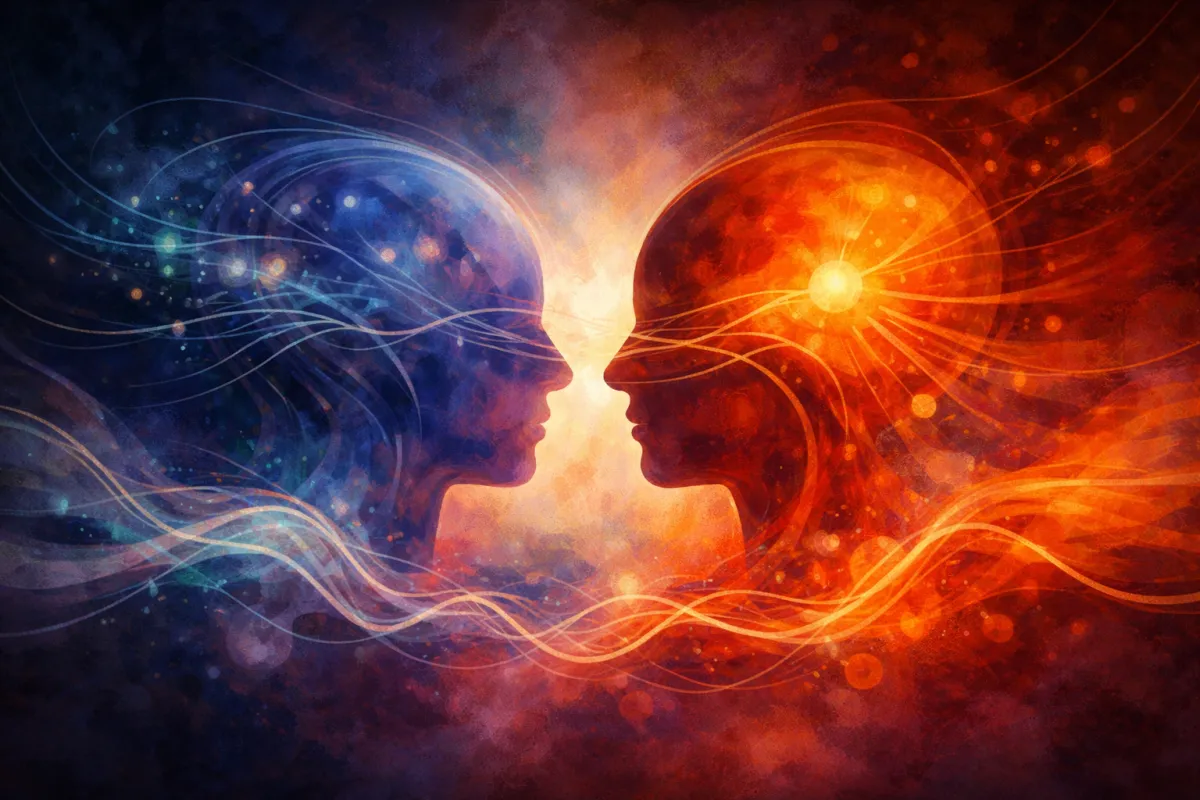
Neurodiverse Relationship Dynamics™ (NRD™) describes the distinct, recurring patterns that emerge when people with fundamentally different neurologies—often autistic and non-autistic—try to connect, collaborate, and care for one another within close relationships.
These dynamics are not signs of dysfunction or emotional failure. They are the natural result of neurological mismatch: differences in how nervous systems perceive, respond, interpret, and engage with the world—and with each other.
Different Systems, Different Signals
In neurodiverse relationships, some of the most painful struggles arise not from cruelty or disregard, but from signal confusion.
What feels like a loving gesture to one person may register as overwhelming or intrusive to another. What feels like calm neutrality to one nervous system may be experienced as emotional distance or disconnection by another.
These are not personality quirks or communication failures. They are neurologically rooted patterns that shape how people:
Interpret emotion and tone
Process feedback and conflict
Experience closeness and space
Understand mutuality and reciprocity
Perceive responsibility and autonomy
When neurodiverse relational systems interact without shared understanding or support, they often generate confusion, resentment, or burnout—not because anyone is failing, but because individuals are navigating invisible asymmetries without a shared map.
Where Neurodiverse Relationship Dynamics™ Show Up
Neurodiverse Relationship Dynamics™ can emerge anywhere close connection exists: intimate partnerships, parent–child relationships, sibling bonds, friendships, caregiving arrangements, workplace teams, or community systems.
The common thread is simple and often overlooked: relationships built across different neurologies, without aligned interpretation or repair mechanisms.
NRD™ may show up as:
Boundary confusion or collapse, where one person cannot see the line and the other stops trying to draw it
Attachment ruptures, where bids for connection are sent but not recognized or returned as expected
Identity erosion, especially for those who become “the interpreter,” “the stabilizer,” or “the one who explains”
Emotional exhaustion, when one nervous system carries disproportionate relational labor
Communication shutdowns, after repeated attempts are misunderstood, dismissed, or escalate harm
Over time, these patterns often accumulate quietly—until they surface in trauma spikes: moments of emotional overwhelm or relational rupture that seem sudden, but are anything but.
Why Naming These Patterns Matters
When Neurodiverse Relationship Dynamics™ goes unrecognized, people are often misread or misdirected. They may be told they are “too sensitive,” “too rigid,” “not trying hard enough,” or “unwilling to compromise.”
Through the NRD™ lens, these behaviors can be understood instead as adaptive responses to neurological misattunement—responses that once made sense in context, even if they now create pain.
This lens allows for a different understanding:
This isn’t about emotional immaturity — it’s about structural mismatch.
This isn’t about narcissism — it’s about divergent feedback loops.
This isn’t about avoidance — it’s about overwhelm and protection.
NRD™ as a Lens, Not a Label
Neurodiverse Relationship Dynamics™ is not a diagnosis and not a verdict. It is a lens—a way of seeing what is happening beneath the surface of struggle.
This understanding does not guarantee resolution. But it does make clarity possible. It offers language for experiences that have often been felt but unnamed, and it allows people to step out of shame and into discernment.
Throughout this pathway, we explore specific NRD patterns—how they form, how they feel from different neurological positions, and what it can look like to respond with greater awareness, integrity, and care.
Understanding NRD does not force a particular outcome. But it makes choice possible. And for many people, that shift—from confusion to clarity—is where real change begins.
My Research
Some of the world's first quantitative research on autism and marriage
I was working on a master's in psychology at Harvard University when I realized my husband of almost 20 years was autistic. I was shocked by how little was known about an issue that affected my own life so dramatically. So, I shifted my research interests to autism and marriage and was ultimately given the Director's Thesis Award for my work.
My White Papers and Pamphlets
© 2024 R.E.A.L. Neurodiverse
All Rights Reserved
anne@REALneurodiverse.com
Text or Call: (617) 996-7239 (United States)